

Just a short drive or walk from campus!
Call Now to schedule your appointment!

Oxford Family Vision Care
Located in Oxford, Ohio
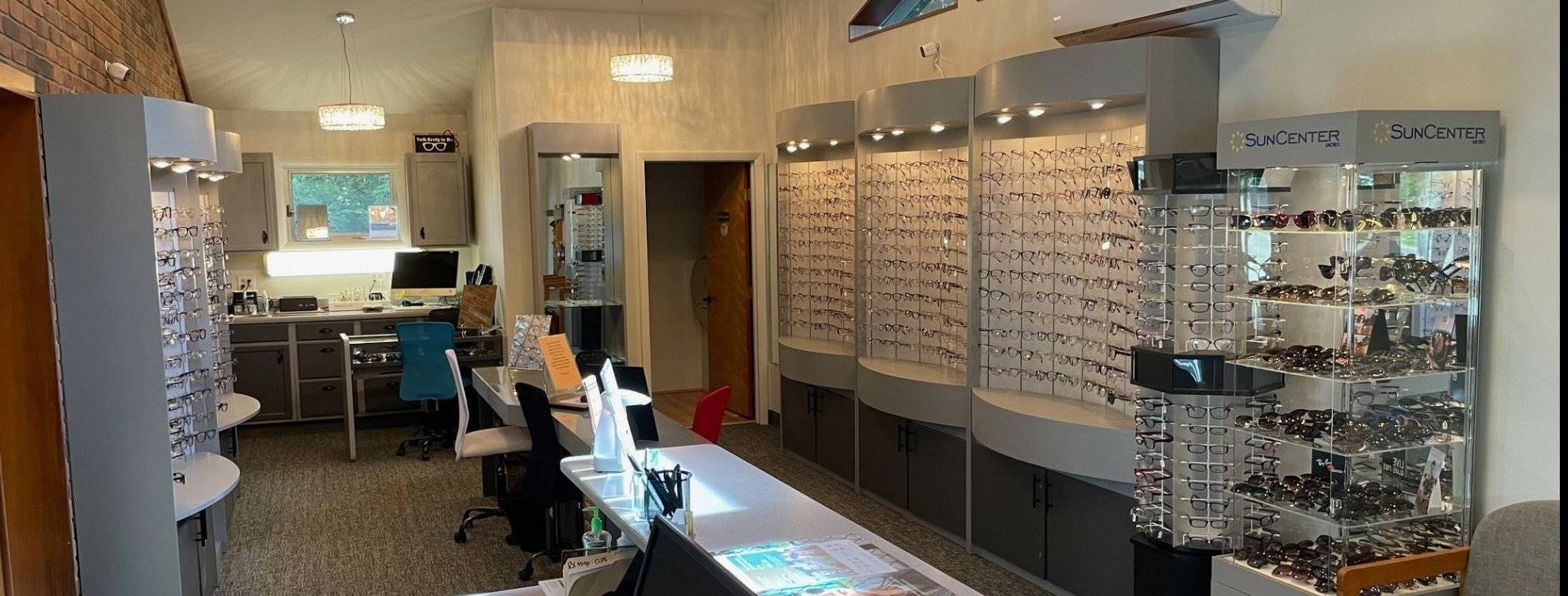
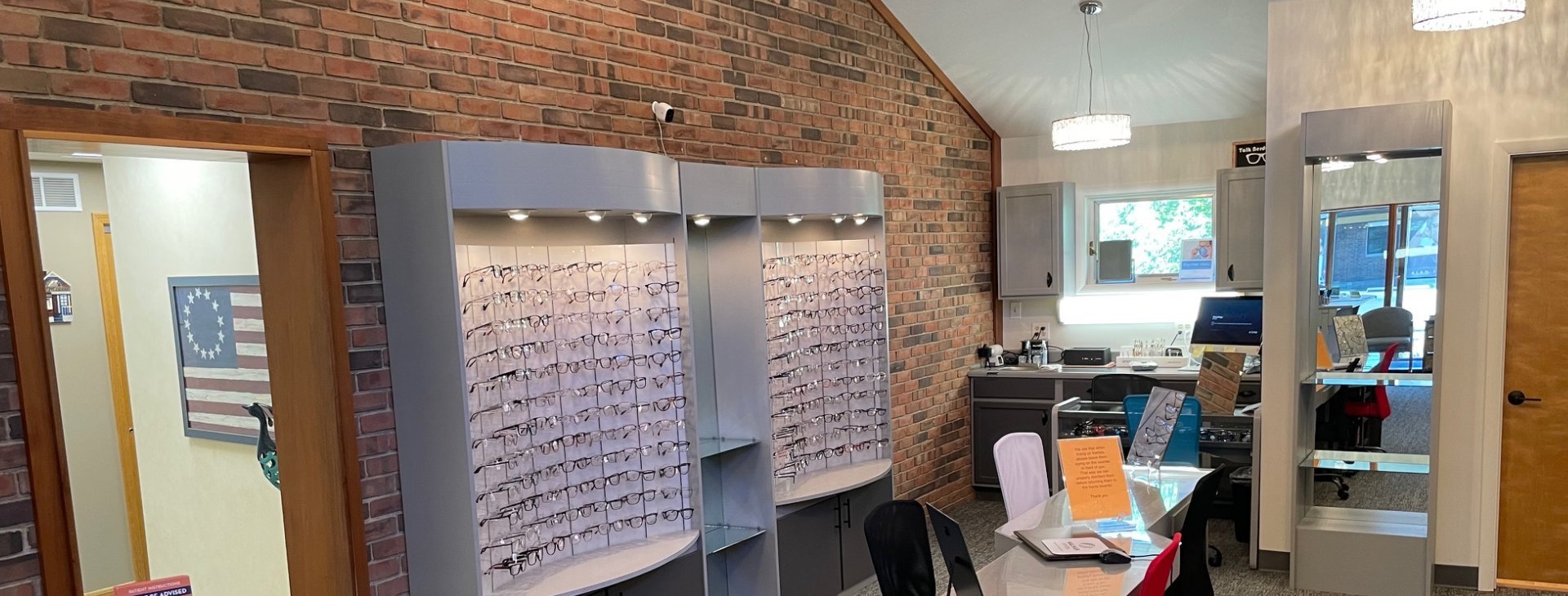
Oxford Family Vision Care is a complete optometric office. We provide treatment of eye diseases and injuries. A full line of eyewear and contact lenses are available.
Oxford's oldest optometric practice was founded in 1965 by Dr. Gerald Collins. The first small office was located in the professional building on Fairfield Road. In 1975, the office was moved to its current location on Lynn Avenue. Dr. Collins was joined by his son in 1989.
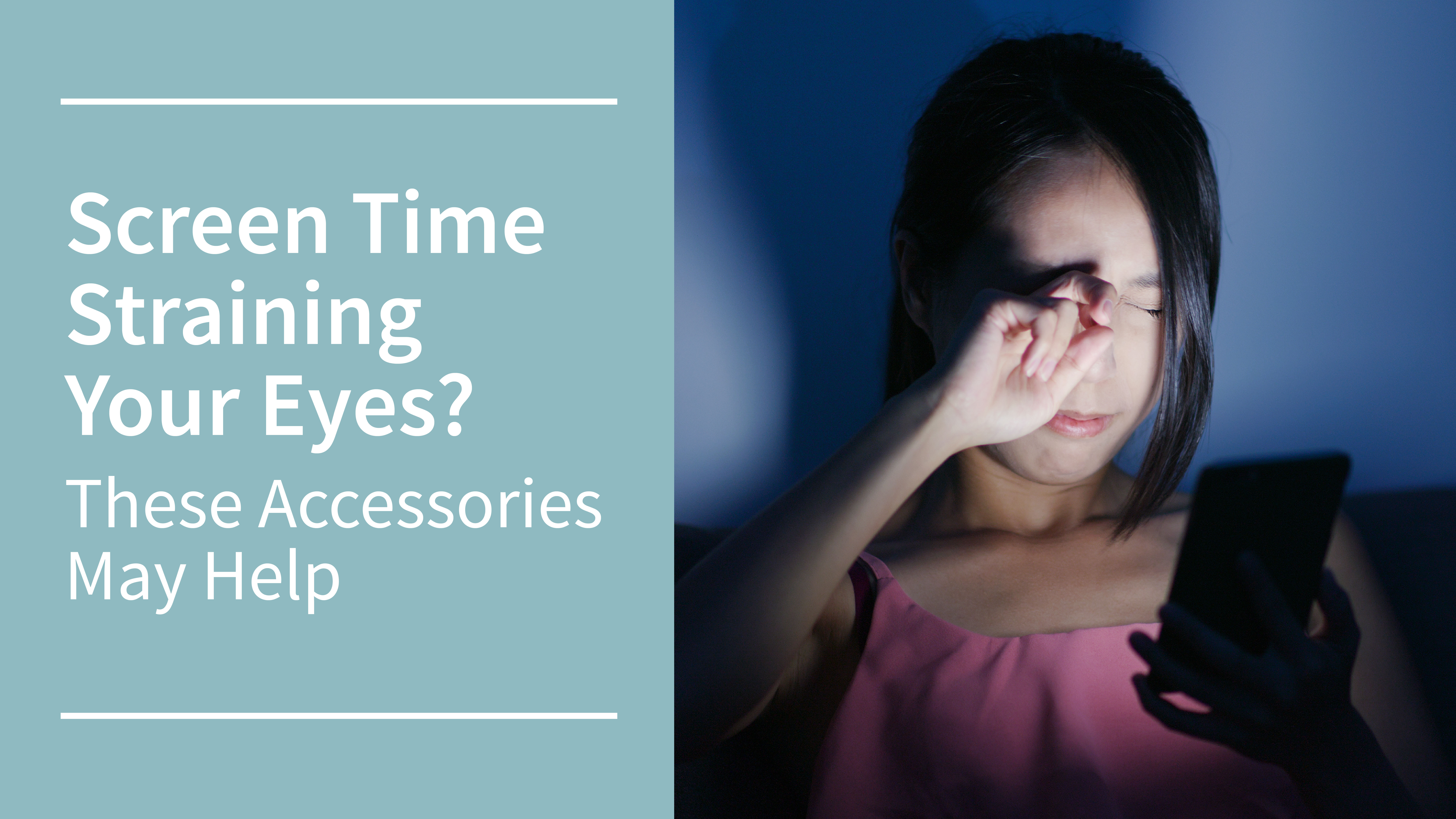
Screen Time Straining Your Eyes? These Accessories May Help
You wake up with gritty, uncomfortable eyes after staying up late to finish a paper. Or maybe you wrap up a long day of video calls and realize your temples have been throbbing for the past hour. For college students burning the midnight oil and professionals staring at spreadsheets all day, eye strain has started to feel like part of the routine. Fortunately, there are some tips and accessories that can help take eye strain out of the routine.
.png)
A Clearer Year Starts with a Comprehensive Eye Exam
Have you ever started a new year and realized your eyes feel a little more tired than you remember? Maybe small print takes longer to come into focus, screens feel harsher by the afternoon, or night driving asks a bit more of your concentration.
Those changes can be easy to ignore, especially when everything else in your routine is picking up speed again. A comprehensive eye exam gives you space to pause, check in, and understand how your vision is really doing. It also offers a clearer picture of how your eyes connect to your overall wellness.
.jpg)
How Winter Weather Affects Your Eyes (and What You Can Do About It)
Ever noticed how your eyes feel a little different in the winter? You might blink more after stepping outside or rub your eyes in the evening without really thinking about it. Some days, the glare off your windshield seems sharper than usual. Other times, the heat running indoors leaves your eyes feeling dry before the day’s halfway over.
Even if you don’t normally deal with eye irritation, winter can introduce new discomfort. The air holds less moisture, indoor heating makes it drier still, and sunlight reflecting off snow can wear on your eyes faster than expected.
This blog takes a closer look at what causes that shift, how daily habits can make a difference, and when it’s worth checking in with your optometrist for seasonal support.