
5 Ways Your Vision Changes with Age (and 5 Ways to Protect It)
5 Ways Your Vision Changes with Age (and 5 Ways to Protect It)
.jpg)
You probably didn't see it coming. One day you're reading a text message without thinking about it, and the next you're holding your phone at arm's length like it personally offended you. Or you're at dinner, tilting the menu toward the candle because the lighting that used to be "cozy" is now just dark.
It's a strange feeling, noticing your eyes aren't doing what they've always done. A little annoying, a little unsettling, and hard to pin down because nothing hurts. You just know something's different.
Here's the good news: age-related vision changes happen to virtually everyone, and they follow a predictable pattern. Once you understand what's shifting and why, the mystery fades and the path forward gets a lot clearer.
5 Common Vision Changes as You Age
Most eyesight changes build so slowly that you don't notice them until they start affecting everyday tasks. Each of these changes has a clear explanation, and most are completely manageable once you know what you're dealing with. Here are five of the most common ones, when they tend to show up, and what's actually going on.
1. Fine print gets harder to read
This is usually the first sign, and it has a name: presbyopia. Behind your pupil sits a small, flexible lens that adjusts shape to help you focus at different distances. Over time, that lens stiffens. It can't bend the way it used to, so nearby objects get blurry. Menus, medicine bottles, the tiny text on a shampoo label; they all start to slip out of focus.
This tends to become noticeable around age 40 and affects more than 80% of Americans by their mid-40s. Reading glasses are the standard response to a change that happens to almost everyone.
2. You need more light than you used to
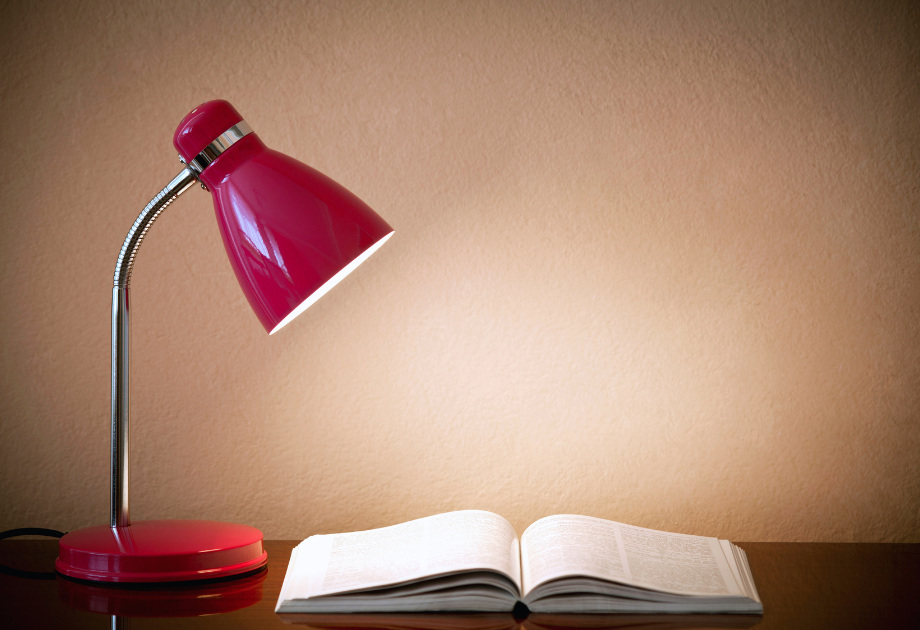
In your 50s and 60s, your pupils gradually become smaller and less responsive to changes in lighting. That means less light reaches the retina. The kitchen lighting that felt fine when you were 45 may feel dim when you’re 58. Reading in bed or working on a hobby without a task light starts to feel harder than it used to.
3. Night driving feels more difficult
The same pupil changes that affect your indoor lighting also make low-light situations harder at a distance. Research shows adults over 60 have significantly lower contrast sensitivity than adults in their 40s, especially at night. You might notice steps or curbs are harder to see at dusk, road markings blend into the pavement, or the drive home after an evening out takes more concentration than it used to.
4. Your eyes feel dry or gritty
Tear production and quality decline with age, and many people start noticing it in their 50s. It can feel like burning, grittiness, or vision that blurs and clears unpredictably throughout the day. Dry eye is incredibly common and very manageable, but it's worth mentioning at your next exam so your provider can help you find the right approach.
5. Lights glare and colors look different
In your 70s and beyond, the lens naturally yellows and scatters more incoming light. You might notice halos or starbursts around headlights at night, or find that sunlight through a window feels uncomfortably bright. Also, colors may look less vivid than they used to, and whites can take on a slightly yellow tint.
These changes call for adaptation, not alarm. A brighter bulb near your reading chair, sunglasses with glare-reducing coatings, and a quick adjustment to your phone's brightness settings can go a long way toward keeping you comfortable.

5 Ways to Protect Your Aging Eyes
Most of the changes above are a normal part of aging, and none of them mean your vision is failing. The encouraging part is that a few consistent habits can make a real difference in how your eyes feel and perform over time. You don't need a major lifestyle overhaul; small, everyday choices add up faster than you'd expect.
1. Put your diet to work
Leafy greens, colorful fruits and vegetables, and omega-3 fatty acids all support long-term eye health and lower the risk of certain retinal conditions. Spinach, salmon, oranges, and bell peppers are all good places to start. Staying hydrated matters, too; your eyes depend on steady tear production to stay comfortable, and drinking enough water throughout the day helps keep dry eye symptoms in check.
2. Wear sunglasses year-round
UV damage to the lens and retina builds over a lifetime. Sunglasses that block UVA and UVB rays aren't just for summer; they're one of the most effective things you can do for your eyes in any season.
3. Improve your lighting and air quality at home
If you've been squinting more during close-up work, the fix might be your lamps, not your eyes. Good task lighting reduces strain while reading, cooking, or working on hobbies. It's also worth paying attention to the air around you. Dry indoor air from heating and air conditioning can make dry eye symptoms worse, so running a humidifier or angling vents away from where you read and work can help more than you'd expect.
4. Give your eyes screen breaks
Long hours on a screen take a toll on your eyes, especially with an outdated prescription. The 20-20-20 rule is a good habit to build: every 20 minutes, look at something 20 feet away for 20 seconds. It sounds small, but it makes a noticeable difference on long screen days. Blue light from screens can also contribute to eye fatigue, and most phones and computers now have built-in blue light filters worth turning on. If you wear glasses, a blue light coating on your lenses is another option.
5. Schedule regular exams and know your family history
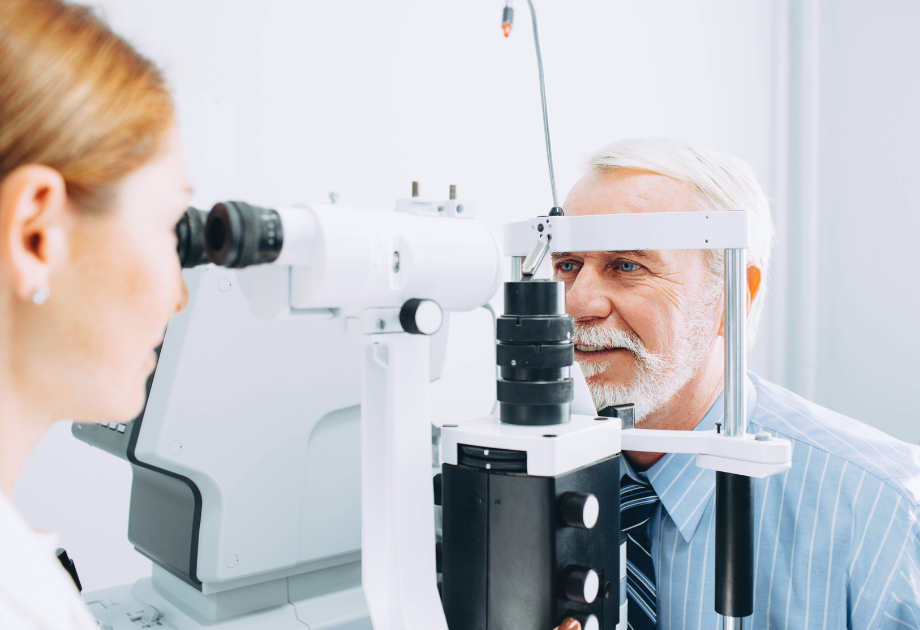
Regular comprehensive exams are one of the best ways to stay ahead of age-related changes, and they're the only way to catch conditions that develop without obvious symptoms. Cataracts, glaucoma, diabetic retinopathy, and macular degeneration all become more common after 40, and early detection makes a real difference in treatment outcomes. Think of it the same way you'd think about blood pressure or cholesterol: you don't wait for symptoms to stay on top of your health.
Most experts recommend a comprehensive eye exam at least every one to two years after age 60. If you have risk factors like diabetes or family history, more frequent visits are a good idea. When you go, make sure your provider knows your family's eye health history; conditions like glaucoma and macular degeneration can run in families, and that information helps your eye care team know what to watch for.
If you're an adult child noticing vision changes in a parent, encouraging them to keep up with regular exams is one of the most helpful things you can do.
See Clearly Through Every Decade with Oxford Family Vision Care
Your vision tells a story about your overall health. The changes you notice in your 40s, 50s, 60s, and beyond are part of a pattern that's predictable, manageable, and worth understanding. You don't have to sort through it alone.
Oxford Family Vision Care has been part of the Oxford community since 1965. Whether you've just started noticing changes or it's been a while since your last exam, we're here to help you see clearly.
Schedule your visit and let's make sure your eyes stay healthy for years to come.