
Screen Time Straining Your Eyes? These Accessories May Help
Screen Time Straining Your Eyes? These Accessories May Help
.jpg)
You wake up with gritty, uncomfortable eyes after staying up late to finish a paper. Or maybe you wrap up a long day of video calls and realize your temples have been throbbing for the past hour. For college students burning the midnight oil and professionals staring at spreadsheets all day, eye strain has started to feel like part of the routine. Fortunately, there are some tips and accessories that can help take eye strain out of the routine.
This blog explains what's behind the discomfort and which accessories and habits can help.
Why Screens Start to Feel Hard on Your Eyes
When you spend hours focused on a screen, the muscles inside your eyes are working overtime to keep everything sharp and clear. Over time, they simply get tired. You're also blinking less than you realize. Research shows that people blink about half as often when they're reading or working on a computer, which means the surface of your eyes doesn't get the moisture it needs.
Overhead lights reflecting off your screen don't help, either. Your eyes have to work harder to filter out the glare and focus on what you're actually trying to read. Add in the strain that comes from hunching over a laptop, and you've got tension building in your neck and temples by the end of the day.
Blue light is part of the picture, too, though maybe not in the way you've heard. The real concern with blue light is evening exposure. When you're scrolling or working late into the night, all that bright, blue-rich light can interfere with your body's natural wind-down process and make it harder to fall asleep. During the day, blue light mostly just adds to the glare, but it's not causing harm to your eyes themselves.
Put it all together, and you've got what eye care professionals call digital eye strain. It's the combination of tired, uncomfortable eyes, blurry vision, and headaches that shows up after spending too much time staring at screens.
.png)
Common Signs Your Eyes Are Working Overtime
You know that gritty feeling when you've been staring at your laptop for three hours straight? Or the way your vision goes a little blurry when you finally look up from your phone? Those aren't random. They're your eyes telling you something: they're overworked.
Here are signs your eyes are strained and need relief:
- Dry, scratchy eyes that feel uncomfortable by mid-afternoon
- Blurry vision or delayed refocusing when you look away from your screen
- Headaches around your temples, especially after long stretches of detailed work
- Trouble falling asleep after late-night screen sessions
If you're noticing a few of these, especially the sleep disruption, it's worth paying attention. All that blue light exposure right before bed can throw off your body's natural rhythm and make it harder for your body to wind down.
One of the simplest ways to give your eyes regular relief is the 20-20-20 rule: every 20 minutes, look at something 20 feet away for at least 20 seconds.
Accessories That Can Support More Comfortable Screen Time
Reducing strain isn't about hunting down one miracle product. It's more about putting together a few small supports that actually fit the way you use screens every day. Some tools help with glare and lighting. Others encourage better posture or cut down on blue light in the evening.
Oxford Family Vision Care offers some of these options as part of our comprehensive eye care. Others you can pick up on your own and layer in as they make sense for your routine.

Lens Color Options
Clear lenses let you see colors accurately, which matters when you're studying, reading, or doing design work. Lightly tinted lenses in amber, yellow, or rose tones can feel easier on your eyes during evening screen use. The subtle tint takes the edge off harsh brightness and can make late-night work feel less jarring.
We're happy to talk you through which lens tints might support your comfort at Oxford Family Vision Care.
Protective Lens Coatings
Protective coatings get applied to your everyday prescription lenses, so you don't need a separate pair of glasses. Blue light filtering coatings reduce the amount of blue light reaching your eyes from screens and overhead lights. Anti-reflective coatings cut down on glare from overhead lights, windows, and the screen itself, making reading and detailed work feel less taxing.
Both coatings are available at Oxford Family Vision Care and can be added to your prescription lenses during your comprehensive eye exam.
Blue Light Glasses
Blue light blocking glasses are made for people who spend most of their day looking at screens, especially if that stretches into the evening. They filter out a portion of blue light, which helps reduce glare and can ease some of the visual discomfort that builds up over time. Blue light glasses work best when you're also taking breaks, adjusting your screen brightness, and paying attention to your posture.
Anti-Glare Screen Protectors
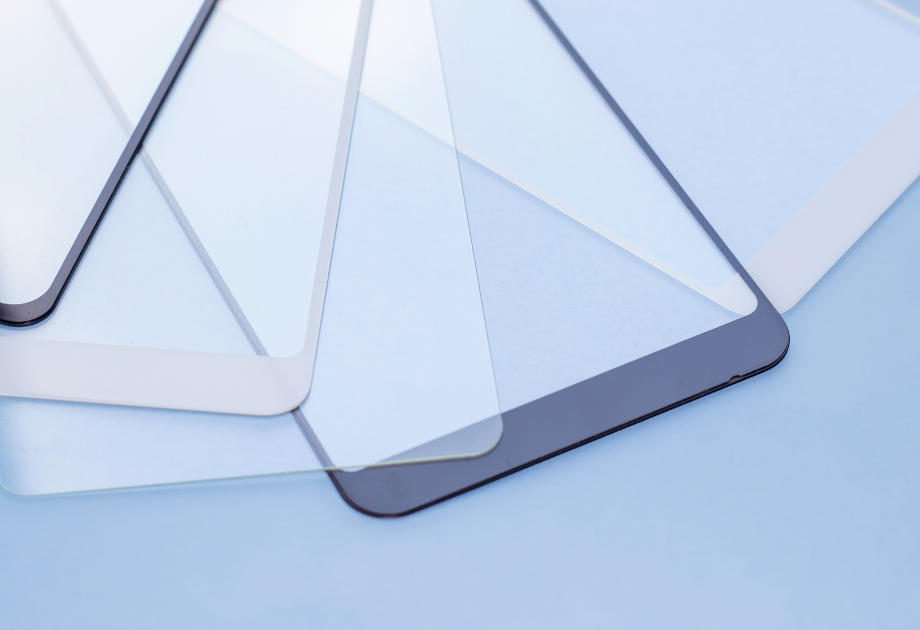
Anti-glare screen protectors stick right onto your laptop, monitor, or tablet and reduce reflections from overhead lights, making text easier to read. If you're studying in a dorm room with fluorescent lighting or working in an office with bright ceiling fixtures, glare can make it hard to see what's on your screen. They're affordable, straightforward to put on, and they don't require any changes to your glasses or desk setup.
Monitor Filters
Monitor filters work similarly and are designed for larger displays. They clip or attach to desktop monitors and reduce both blue light output and glare. Some let you adjust the filtering level depending on the time of day or workspace brightness.
Ergonomic Stands
Ergonomic stands lift your laptop or monitor up to a height that encourages better posture. When your screen sits too low, you're tilting your head down and rounding your shoulders forward, which strains your neck and upper back and can lead to headaches. For office workers, pairing a stand with thoughtful workstation habits supports long-term comfort.
Blue Light Blocking and Display Adjustment Apps
Software tools like f.lux, Night Shift, and Windows Night Light adjust your screen's color temperature throughout the day, shifting toward warmer tones in the evening to reduce blue light output. This can make working or scrolling late at night feel less harsh. These apps are free or built-in, and research suggests that cutting back on blue-rich light in the evening can support better sleep.
Find Relief from the Strain with Oxford Family Vision Care
If your eyes still feel tired, blurry, or uncomfortable by the end of the day, it might be time to sit down with someone who can take a closer look. At Oxford Family Vision Care, we take the time to understand your screen habits, what symptoms you're dealing with, and what kind of relief would fit into your routine.
Sometimes that means protective lens coatings or lens color options. Sometimes it's just talking through what's really going on. We offer protective lens coatings and lens color options as part of our comprehensive eye care, and we'll help you figure out what makes sense for your routine.
Schedule your visit and let's help your eyes start to feel more comfortable.